



Horror films are designed to disturb, terrify, and push the boundaries of what’s acceptable on screen.
But sometimes, those boundaries are so heavily crossed that real-world consequences follow—landing directors, producers, and even actors in jail, facing legal battles, or under official investigation.
From banned cult classics to gruesome missteps, these are the 12 horror movies that crossed the line and ended up in courtrooms instead of just darkened theatres.
Starting with…
12 – Dudleytown Curse – The 49th Key

The eerie legend surrounding Dudleytown, a supposedly cursed ghost town in Connecticut, inspired the creation of the horror short Dudleytown Curse – The 49th Key.
While the film itself might not have gained international attention, it caused quite a stir locally. Set in a real location that is often considered “off-limits” due to the mysterious phenomena reported there, the filmmakers didn’t secure proper permits to film on private property.
The project led to trespassing charges against the creators after they were caught shooting without authorization in the eerie woods. Authorities feared the film would draw more unwanted attention to the already highly controversial site, leading to the involvement of local police and heavy fines.
11 – The Texas Chainsaw Massacre
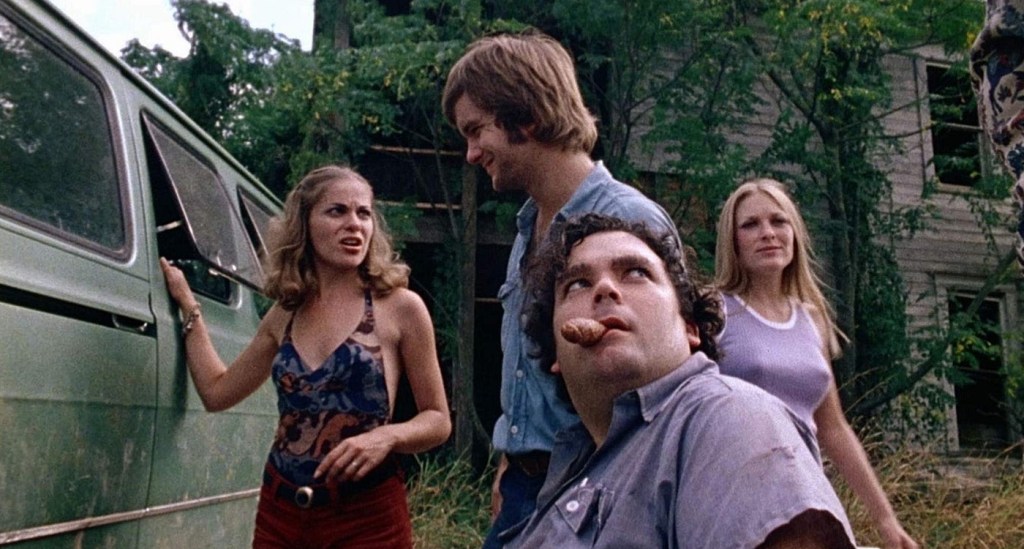
The 1974 classic The Texas Chainsaw Massacre was groundbreaking in its grotesque portrayal of cannibalistic violence.
Inspired by the true story of serial killer Ed Gein, this film pushed horror into new, disturbing territory. Its realistic, documentary-like approach led to intense censorship battles.
In countries like the UK and Australia, the film was banned outright. In several countries, theaters that attempted to screen it faced heavy fines and even had their licenses revoked.
In one of the most extreme cases, a cinema owner in France was jailed for a short period for refusing to pull the movie after government orders. The film also sparked numerous debates about the desensitization of violence in media.
10 – Night of the Living Dead

George A. Romero’s Night of the Living Dead (1968) is a masterpiece of horror cinema, but it also stirred up quite a legal storm.
While the film itself wasn’t necessarily the problem, a rights error led to its public domain status.
This lack of copyright allowed anyone to distribute the film, resulting in a multitude of bootleg versions and improper releases. The distributors and filmmakers were left powerless, watching their work circulate without any financial compensation.
While no one was jailed directly because of the film, many distributors faced legal battles and fines over unauthorized use and improper screenings, which further complicated its release.
9 – The Films of Remy Couture
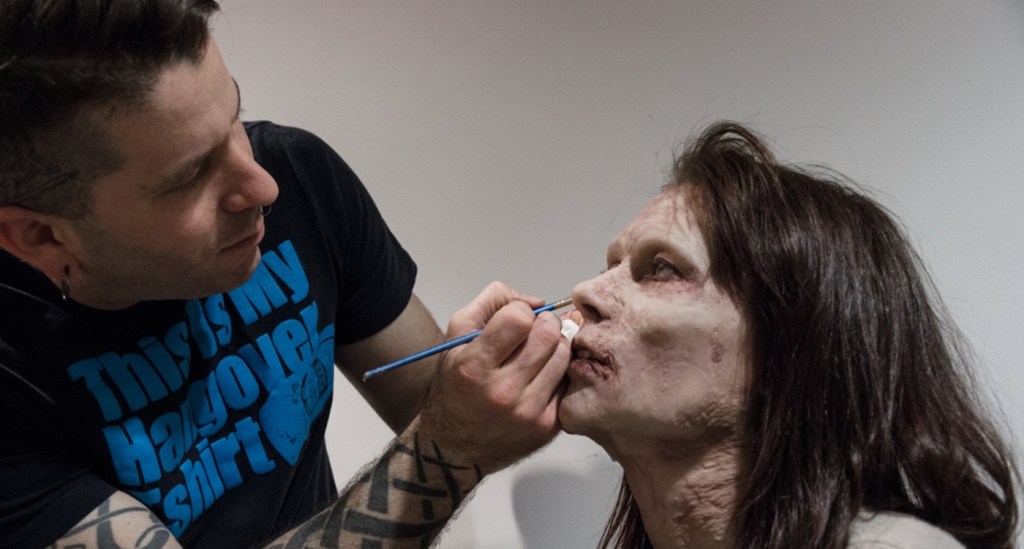
Remy Couture, a Canadian filmmaker and special effects artist, was taken to court for his ultra-graphic horror shorts that featured extreme violence and realistic gore.
His series, which included films like Inner Depravity, was so lifelike that it drew the attention of authorities, sparking a criminal investigation.
In 2012, Couture was charged with producing and distributing obscene material. He faced trial in Montreal under accusations that his films violated Canada’s obscenity laws.
While Couture defended his work as art, prosecutors argued that the graphic depictions of violence were harmful and crossed legal boundaries. After a highly publicized case, he was eventually acquitted, but not without a lengthy legal battle.
8 – The Carnage Collection
An independent horror anthology, The Carnage Collection, faced controversy after its release due to its graphic content and the controversy surrounding its funding.
The film, known for its brutal and bloody short segments, led to criminal charges against one of its producers after it was discovered that illegal funds were used to finance the movie.
Although the film itself didn’t break any specific obscenity laws, the financial scandal behind the scenes resulted in one of the producers serving jail time.
The charges also led to the movie being pulled from multiple platforms, further complicating its release and distribution.
7 – The ABCs of Death

This ambitious horror anthology featured 26 short films, each representing a letter of the alphabet.
While the content of some shorts was gruesome and controversial, the film’s inclusion of a highly explicit segment led to legal action in multiple countries.
In New Zealand, for example, the film was banned due to the “extreme violence and graphic depictions of death.”
Cinemas that screened it anyway faced hefty fines, and one theatre manager was briefly detained for refusing to comply with censorship orders.
The anthology’s darkly creative take on death crossed lines that many governments weren’t prepared to tolerate.
6 – Eldorado
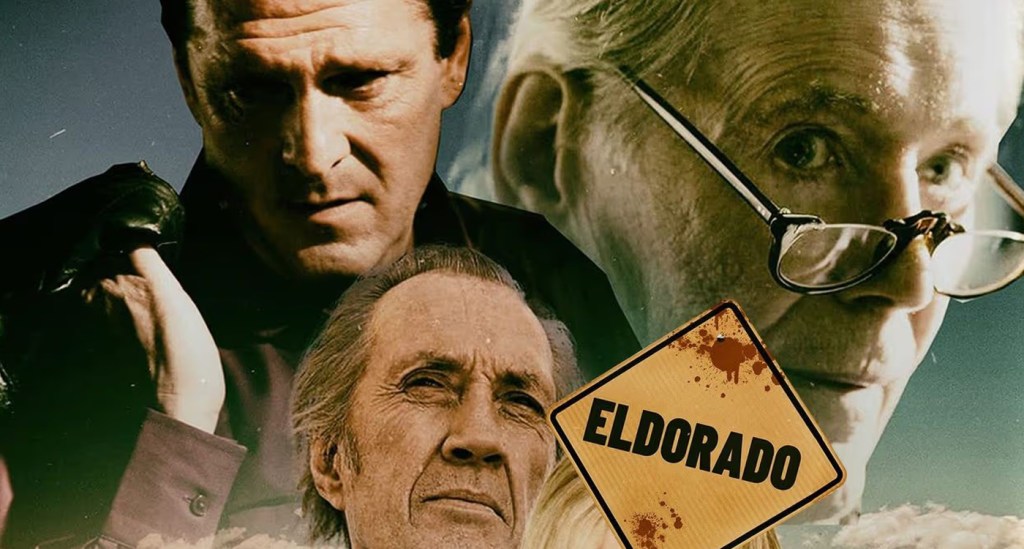
In 2012, Eldorado, directed by Richard Driscoll, became notorious not just for its bizarre narrative but for the legal troubles surrounding its production.
Driscoll was accused of inflating the film’s budget to defraud the UK government’s tax relief system for filmmakers.
After an investigation, it was discovered that Driscoll had falsely claimed expenses to receive financial benefits, resulting in millions of pounds being misappropriated.
The fraudulent activities landed him in jail, where he served a three-year sentence. The scandal surrounding Eldorado not only tarnished Driscoll’s career but also brought increased scrutiny to the UK’s film tax relief system.
5 – Guinea Pig: Flowers of Flesh and Blood

The Guinea Pig series from Japan is infamous for its shocking and explicit depictions of torture.
Flowers of Flesh and Blood, the second film in the series, was so realistic that it became the subject of a police investigation after actor Charlie Sheen reportedly believed it to be a real snuff film.
Sheen contacted the FBI, which launched an investigation into the filmmakers. Authorities questioned whether the graphic violence was staged or if the film was indeed capturing real murders.
After an exhaustive investigation, it was confirmed that the violence was simulated. Nevertheless, the film was banned in several countries due to its extreme content, and the series as a whole remains one of the most controversial in horror history.
4 – Marla Mae
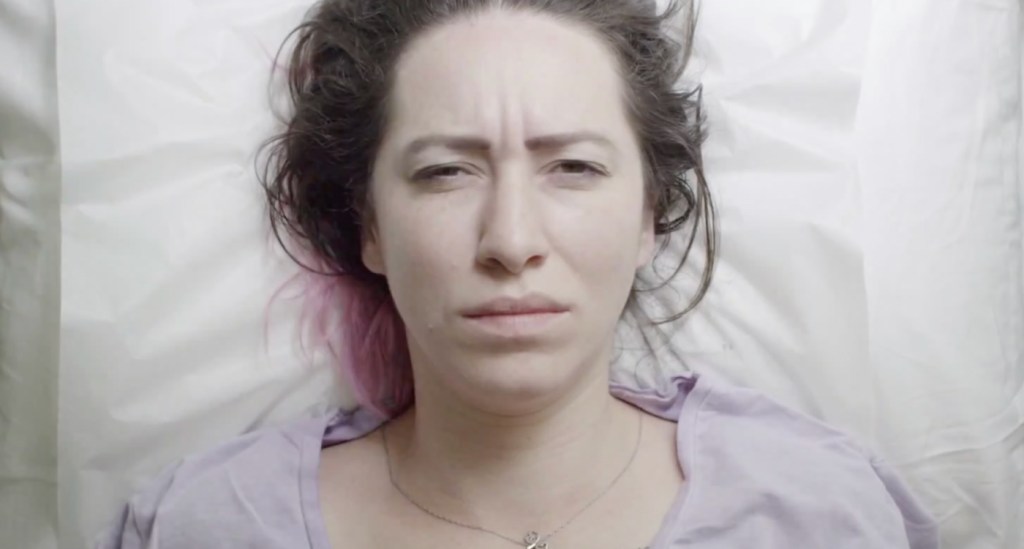
While Marla Mae didn’t stir international headlines, it got entangled in legal issues that had serious consequences for its creators. The indie horror film, which explores themes of body horror and medical ethics, was partially funded through a crowdfunding platform.
However, the filmmakers failed to deliver on many of their promises to backers, leading to lawsuits from disgruntled investors.
In addition to the financial disputes, the film was also the subject of a lawsuit from a medical company, which claimed that its portrayal of a certain medical device was defamatory.
While no one was jailed, the legal battles surrounding Marla Mae derailed its release and caused significant financial hardship for the filmmakers.
3 – Mark Twitchell’s House of Cards

Mark Twitchell, a Canadian filmmaker, was more than just a horror movie director—he became a real-life killer.
Twitchell used the plot of his film, House of Cards, as a blueprint for his murder of Johnny Altinger in 2008.
The film, which was intended to be a thriller about a man who lures his victims through online dating, mirrored Twitchell’s own actions when he lured Altinger to his garage and killed him. After Altinger went missing, police discovered that Twitchell had filmed his premeditated actions in detail, making his horror movie disturbingly real.
He was arrested and sentenced to life in prison for first-degree murder. Twitchell’s case became infamous not only for its brutality but for the chilling way his movie and reality intertwined.
2 – A Lizard in a Woman’s Skin

Lucio Fulci’s 1971 psychological horror-thriller A Lizard in a Woman’s Skin is another film that blurred the lines between art and reality. The movie’s graphic scenes of animal dissection and cruelty were so convincing that Fulci was taken to court in Italy under charges of animal cruelty.
Fulci had to prove that the scenes were created using special effects and not real animals. The court case dragged on for months, and he only escaped jail time after presenting evidence that the graphic scenes were produced with prosthetics and skilled filmmaking techniques.
The film still faced heavy censorship in several countries due to its violent and disturbing content.
1 – Cannibal Holocaust

No list of controversial horror films would be complete without Cannibal Holocaust. This 1980 Italian horror movie directed by Ruggero Deodato remains one of the most controversial films ever made.
It was so realistic that many believed it to be a real snuff film, leading to Deodato’s arrest in Italy on charges of murder.
To clear his name, Deodato had to prove in court that none of the actors were harmed and that the violent deaths were staged with practical effects.
However, the film’s real animal killings (which were not faked) led to further legal action, and the movie was banned in multiple countries for years. Despite the legal battles, Cannibal Holocaust became a cult classic and is now regarded as one of the most infamous films in horror history.
Source: Ranker (as of September 9, 2024)



Discussion